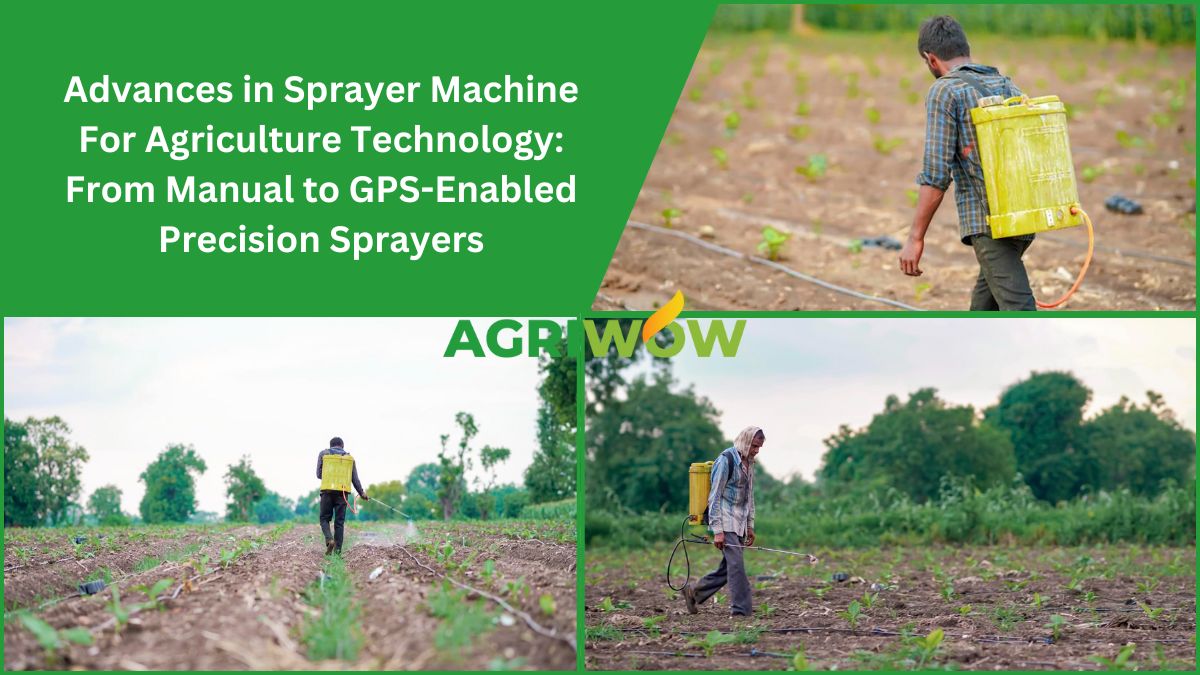
The agriculture sector is evolving faster than ever and one of the biggest contributors to this transformation is the modern sprayer machine for agriculture What was once a simple manual tool carried on a farmer’s back has now transformed into a smart, GPS-enabled system capable of precision spraying, data analysis, and resource optimization.
Today’s advanced sprayers help Indian farmers boost yields, lower input costs, reduce environmental harm, and improve overall farm management efficiency. This blog explores the technological journey of sprayers, the science behind modern nozzle systems, and a detailed price list of the most popular agriculture sprayer implements in India for 2025.
Electrostatic and Air-Induction Nozzle Technologies in Agriculture Sprayers to Reduce Chemical Drift
The evolution of sprayers reflects India’s agricultural shift toward efficiency, sustainability, and smart farming.
1. The Manual Era: Knapsack and Foot Sprayers
For decades, hand operated knapsack sprayer models dominated Indian farms. These simple, low-cost devices were ideal for:
- Small and marginal farmers
- Easy portability
- Basic crop protection
However, limitations such as inconsistent pressure, uneven spray distribution, and increased chemical wastage made them less effective for large-scale or precision tasks.

2. The Power Shift: Tractor-Mounted and Boom Sprayers
As farming expanded and the need for efficiency grew, tractor-mounted sprayers became the next big upgrade.
Key advantages:
- Wider spray coverage
- Consistent pressure delivery
- Reduced labour and time
- Increased efficiency in large fields and row crops
Boom sprayers, in particular, revolutionized row crop farming by delivering uniform coverage over large areas.
3. The Smart Leap: GPS-Enabled Precision Sprayers
The biggest breakthrough has been the integration of GPS guidance, automation, and AI, turning sprayers into precision farming machinery.
Top innovations include:
✔ GPS Tracking & Auto-Steer
- Centimeter-level accuracy
- Eliminates overlaps and missed patches
- Saves fuel, chemicals, and time
✔ Variable Rate Technology (VRT)
- Adjusts chemical dosage based on real-time field data
- Reduces pesticide usage by up to 30%
- Ensures optimal crop protection
✔ AI & Machine Vision
- Cameras identify weeds and target them precisely
- Enables automated spot-spraying
- Supports sustainable and cost-efficient crop protection
Minimizing Drift: The Science of Nozzle Technology
Chemical drift is a major environmental concern, and modern nozzle technology plays a crucial role in solving it.
1. Electrostatic Nozzle Technology
How it works:
- Droplets are electrically charged as they exit the nozzle
- Plants naturally attract these charged droplets
Benefits:
- “Wrap-around” coverage
- Higher deposition rate
- Significantly reduced drift
- Better pest and disease control
2. Air-Induction (Venturi) Nozzle Technology
How it works:
- Mixes air into the spray to create large, air-filled droplets
Benefits:
- Heavier droplets = lower drift
- Droplets burst on impact, improving coverage
- Simple, durable, and effective
Comprehensive Price List of Agriculture Sprayer Implements in India 2025
Below is a simplified, SEO-friendly table of estimated sprayer prices for the Indian market in 2025. These prices also offer insight into the overall agriculture spray pump price ranges across categories.
| Sprayer Category | Capacity / Type | Estimated Price (INR) | Best Use |
| Manual Knapsack Sprayer | 12–16 Litres | ₹750 – ₹1,500 | Home gardens, very small farms |
| Battery-Operated Sprayer | 16–20 Litres | ₹1,800 – ₹4,500 | Vegetables, small-to-medium farms |
| Knapsack Power Sprayer | 20–25 Litres (Petrol/Kerosene) | ₹7,500 – ₹15,000 | Orchards, tall crops, mid-sized farms |
| Tractor-Mounted Boom Sprayer | 200–600 Litres | ₹77,000 – ₹2,50,000 | Row crops, large fields |
| Tractor-Mounted Orchard Sprayer | 400–1000 Litres (Air-assisted) | ₹1,50,000 – ₹4,50,000 | Orchards, vineyards, tall trees |
| GPS/Precision Sprayer | 800–2000 Litres | ₹4,00,000 – ₹18,50,000+ | High-value crops, commercial farms |
Sprayers from quality brands—including popular options like neptune sprayer pump models often deliver superior durability, accurate spray patterns, and more efficient chemical usage.
Conclusion: Spray Smarter, Not Harder
From the humble manual spray pump to today’s advanced GPS-enabled sprayers, India’s spraying technology has evolved dramatically. Modern nozzles such as electrostatic and air-induction systems reduce drift, improve application accuracy, and lower input costs.
While precision sprayers involve higher initial investments, the long-term benefits of improved yields, reduced wastage, and sustainable farming practices make them an essential asset for the future of Indian agriculture.
FAQ
Q1. Which sprayer machine is best for agriculture in 2025?
The best sprayer depends on farm size and crop type. For small farms, battery-operated or manual knapsack sprayers are affordable and effective. For large farms, tractor-mounted boom sprayers or GPS-enabled precision sprayers offer accurate, wide-area coverage and reduced chemical wastage.
Q2. What is the price of an agriculture spray pump in India?
Agriculture spray pump prices in India generally range from ₹750 to ₹18,50,000 depending on the type. Manual sprayers start at ₹750, battery sprayers range from ₹1,800–₹4,500, power sprayers cost ₹7,500–₹15,000, and advanced tractor-mounted precision sprayers can go up to ₹18 lakh or more.
Q3. How do I reduce chemical drift while spraying crops?
Chemical drift can be reduced by using modern nozzle technologies like air-induction (Venturi) nozzles or electrostatic nozzles. These create larger or charged droplets that adhere better to plants and resist wind drift. Spraying during calm weather and maintaining correct pressure settings also helps significantly.